
Why Some Hikers Carry a Premium Knife Instead of a Multitool

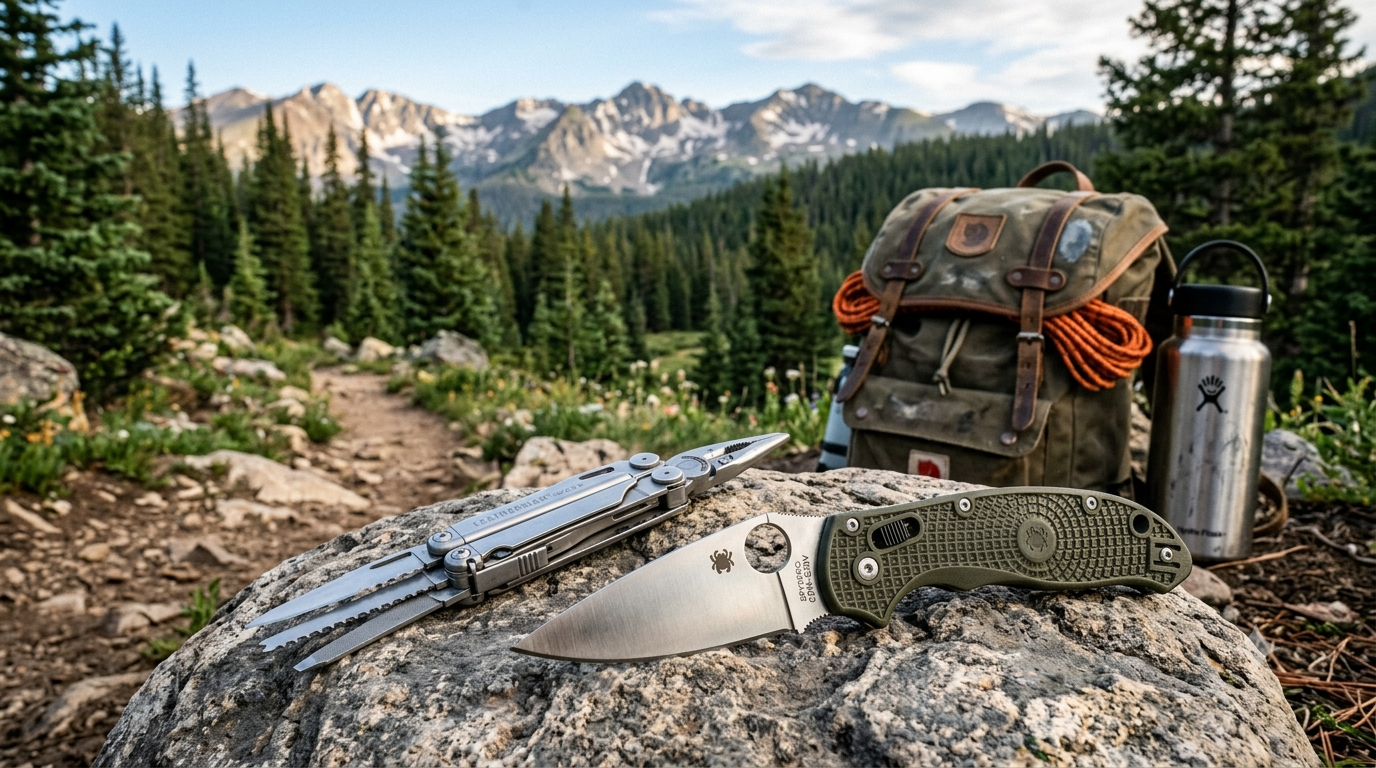
What does a day hiker actually cut? For millions of Americans who go hiking each year, the list is short, made up of cord, food, athletic tape, moleskin and the occasional zip tie. Pliers and screwdrivers rarely appear on it. A hiker who pays attention to their own habits for a season often finds that the multitool’s other implements went untouched and that the blade was the only part in regular use.
Weight per Useful Function
Many full-size multitools weigh 7 to 12 ounces. A lightweight folding knife often weighs 2 to 4 ounces, so the difference can be roughly the weight of a quarter litre of water, carried on every hike, including the many where the pliers never come out. Ultralight hikers sometimes set a limit of 2 ounces for a cutting tool, which excludes most full-size multitools.
A heavy multitool in a trouser pocket pulls the waistband down and swings with each step, so many hikers who own one keep it in the pack, which is the least accessible place for a cutting tool. A light knife clipped inside a pocket goes unnoticed for a whole day and is available in a few seconds.
Blade Steel and Hardness
Multitool blades are commonly made from 420HC, a stainless steel often hardened to around 56 to 58 on the Rockwell C scale. It is tough and easy to sharpen with a basic stone. It also tends to dull more quickly on abrasive materials such as cord and cardboard than some premium knife steels, although edge geometry and heat treatment also affect performance.
Premium folding knives use powder metallurgy steels such as S30V, M390 or MagnaCut, often hardened to approximately 59 to 62 HRC, depending on the manufacturer. S30V and M390 use hard carbides to improve wear resistance, while MagnaCut is designed to balance edge retention, toughness and corrosion resistance. A well-treated blade can keep a working edge through extended periods of normal use.
These steels can take longer to sharpen once they do dull, and some harder blades with thin edges may chip if the edge strikes a rock. Hardness alone does not determine durability, since the blade’s geometry and heat treatment also matter.
Blade Access and Locking
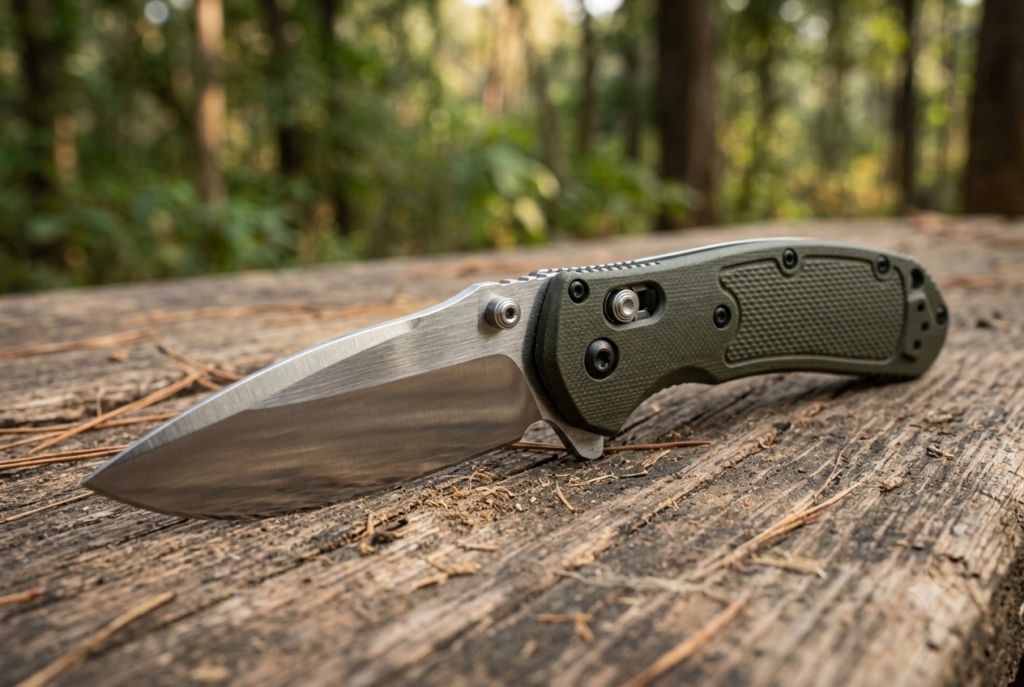
Opening a traditional multitool blade often takes two hands. The tool has to be unfolded, or the blade has to be lifted from between the handles with a thumbnail. Some modern multitools offer externally accessible, one-handed-opening blades, but many dedicated EDC knives are designed around quick access through a thumb stud, opening hole or flipper tab. They may use a liner, frame or crossbar lock to keep the blade open during normal cutting tasks.
One-handed opening is useful on a trail because the other hand is often holding the thing being cut. A hiker trimming a guyline in wind, for example, can keep one hand on the line and open the knife with the other when conditions allow safe handling. Gloves in cold weather make a thumbnail slot difficult to use, which is another point for an accessible opening mechanism.
A reliable lock adds convenience, but it does not replace careful handling or make a folding knife suitable for every cutting task.
Blade Length and Handle Shape
The blade on a full-size multitool is often around 2.5 to 3 inches long, although dimensions vary by model. Some blades are set deep in the frame, which can limit access to part of the cutting edge. The handle is often relatively square in cross-section because it has to contain pliers, which can make it less comfortable in a hard grip.
A dedicated knife has a handle shaped for the hand and a blade designed primarily for cutting. Many are thinner behind the edge than typical multitool blades. The combination can make slicing food or shaving a feather stick for a fire noticeably easier, and it reduces the hand fatigue that comes from pressing a thick blade through material.
Grit and Water in the Pivot
A multitool has many joints, and each one can collect sand and sap. After a wet or dusty hike, the tool may need to be opened fully, cleaned and dried, with lubrication applied where the manufacturer recommends it. Otherwise, the implements can gradually become stiff.
A folding knife generally has fewer moving parts, with one main pivot and a locking mechanism. Cleaning is often simpler, although bearings, washers and enclosed components still need attention. The appropriate method depends on the knife’s construction, and thorough drying is important after exposure to water.
Stainless steel corrodes through processes that can include pitting, in which small, localised areas of corrosion damage the metal. Salt air and sweat encourage it, and some premium grades are formulated to resist it, which is useful on coastal routes and in humid summers.
A knife carried in a pocket against the body is exposed to sweat for hours, and a corrosion-resistant steel helps reduce the risk of staining and pitting.
Edge Maintenance on the Trail
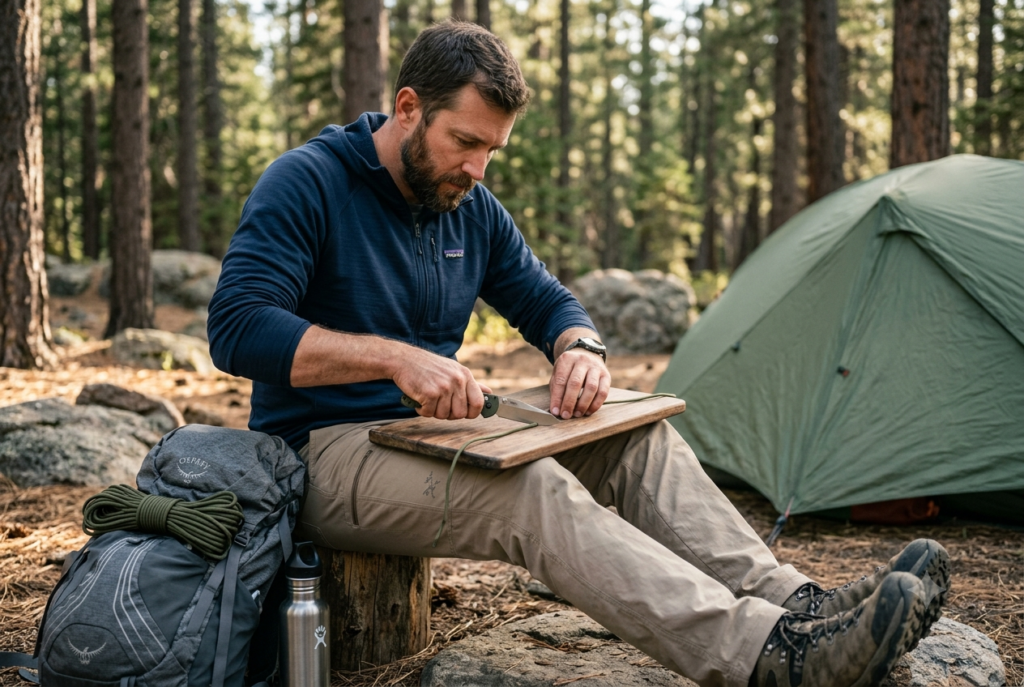
A small ceramic rod or a folded strip of fine sandpaper can weigh less than half an ounce and help restore a working edge on softer steel. Premium wear-resistant steels may respond more slowly to basic pocket sharpeners, so owners of those knives often sharpen at home and rely on edge retention during the hike.
On a week-long trip, a well-maintained premium blade may retain a usable edge without much attention, depending on the material being cut and how often it is used. A hiker who prefers to sharpen in camp will generally find 420HC easier to maintain with basic tools.
Trail Tasks for Pliers
The multitool has real advantages on some trips. Pliers can grip small equipment components, help with certain gear repairs and handle objects that are difficult to hold safely by hand. A small screwdriver can repair a stove or tighten the hinge on a pair of glasses.
Hikers who fish have good reason to carry pliers, since they can help remove hooks from fish and cut certain types of fishing tackle. Wire cutters may also be useful in some fishhook-related emergencies, although deeply embedded hooks and injuries involving sensitive areas require professional medical attention.
Trail maintainers have the same reason to carry additional tools, and so do trip leaders who are responsible for repairing other people’s equipment.
Cost and Long-Term Ownership
Premium folding knives often cost $150 to $400, while many full-size multitools cost less than $150, although prices vary considerably by brand and model. Much of the premium knife’s price reflects its steel, construction, finishing and locking mechanism.
A well-made folder should have minimal blade play when locked, and it can maintain that condition for years with appropriate care and occasional cleaning of the pivot. Replacement parts, such as pocket clips and pivot screws, are available for many premium knives, which extends their working life.
Wear-resistant steels often benefit from diamond or ceramic sharpening equipment, and owners may find it easier to touch up the edge before it becomes noticeably dull. With practice and suitable equipment, routine maintenance can take only a few minutes at home.
The Split-Kit Approach
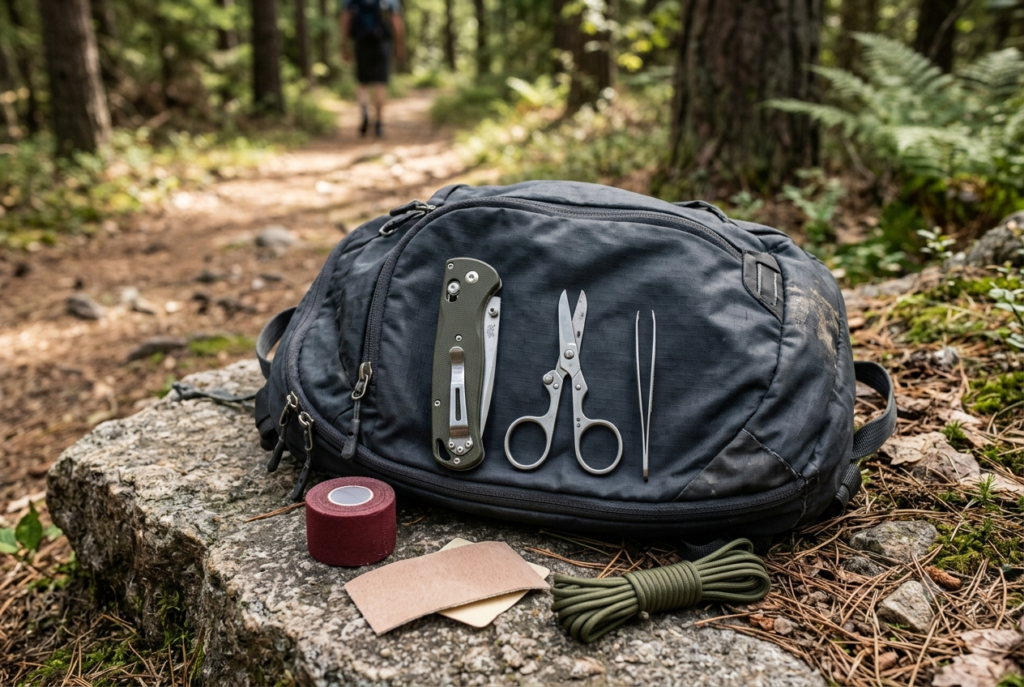
Many hikers settle on a combination. They carry a premium knife as the main cutting tool, along with a small keychain tool that includes scissors and tweezers. Depending on the models chosen, the pair can weigh less than most full-size multitools, and each task gets a tool built for it.
The scissors cut moleskin and tape more neatly than many knife blades. The tweezers remove splinters, and fine-tipped tweezers are the recommended tool for tick removal. They are also an implement missing from many multitools chosen primarily for their pliers.
Use Frequency and Personal Preference
On a two-hour walk, the cutting tasks are few, and a $15 knife would cut a length of cord as cleanly as a $300 one. Many hikers choose the premium knife because they enjoy using a well-made tool, and that preference is a legitimate reason to carry it. It is still a preference, and it should be named as one before anyone argues that the steel is necessary for a day on a marked trail.
